
The Technology Behind Smarter Cities
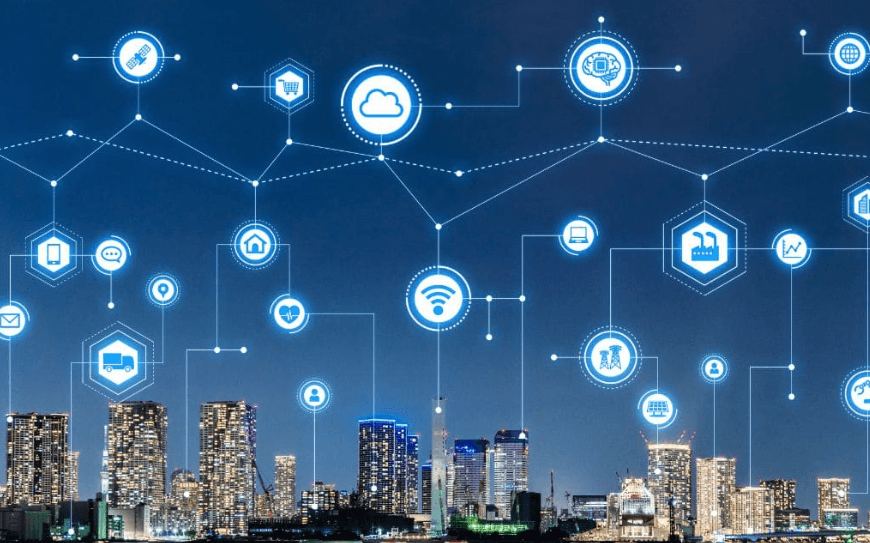
Cities are becoming more connected as technology finds its way into transportation, public services, energy systems, communication networks, and everyday infrastructure. The idea of a smart city is not simply about adding more devices. It is about using technology to help cities understand their needs and manage resources more effectively.
Connecting Urban Infrastructure
Modern cities contain thousands of systems that need to work together. Traffic networks, public transportation, street lighting, waste collection, water management, and emergency services all require coordination.
Connected technologies can help collect information from different parts of a city and make that information available to the organizations responsible for managing urban services.
Smarter Transportation
Transportation is one area where technology can have a visible impact. Digital traffic systems, navigation platforms, electronic ticketing, vehicle tracking, and intelligent transport networks can provide information that helps people and authorities understand movement across urban areas.
The goal is not simply faster travel. Better information can also help people plan journeys and use transportation more efficiently.
See also: tozymagazine.com || tozymagazine.com usa
Technology and Energy Management
Energy consumption is another important part of modern urban planning. Smart meters, connected systems, and monitoring technologies can provide information about how electricity and other resources are being used.
This information can help identify patterns and support more efficient resource management.
Improving Public Services
Technology can also change how residents interact with public institutions. Online applications, digital payment systems, electronic records, and information portals can reduce the need for some traditional processes.
When designed properly, digital public services can make certain interactions more accessible and organized.
Challenges of Connected Cities
Smart-city technology also creates important questions about cost, privacy, maintenance, accessibility, and the management of large amounts of data. Technology alone cannot solve every urban problem.
Successful digital infrastructure requires careful planning, responsible management, and consideration of the needs of different communities.
Final Thoughts
Smart cities represent a growing relationship between technology and urban life. From transportation and energy to public services and infrastructure, connected systems can provide new ways to understand and manage complex cities while creating new responsibilities for planners and technology providers.
One Comment